The Indian Metabolic Blueprint: Why Sustainable Fat Loss in India Needs a Different Conversation
Every few months, a new diet trend enters the Indian health conversation with the promise of finally solving weight loss. Sometimes it is keto. Sometimes it is intermittent fasting. Sometimes it is a high-protein transformation plan imported from Western fitness culture. The pattern is familiar. Early adopters share dramatic results, social media fills with before-and-after images, and for a while it feels like the country has discovered the missing formula.
Then reality settles in. People try to follow the rules while juggling work schedules, family meals, travel, and festivals. Progress slows. Motivation drops. Eventually, many return to their previous eating habits, often carrying a sense of guilt or failure that lingers longer than the diet itself.
What rarely gets discussed honestly is that most popular diet frameworks were not designed for Indian life. They assume access to specific foods, predictable daily routines, and cultural contexts that look very different from what most Indians experience. When a system ignores cultural rhythm, it becomes fragile. The moment real life intervenes, the system collapses.
Over time, a quieter shift has been happening within more thoughtful health communities. Instead of asking Indians to abandon their food culture, some platforms — including Indian Weight Loss Diet — have begun reframing fat loss through a metabolic lens that respects everyday reality. The focus moves away from rigid rules toward building a blueprint that works alongside Indian habits rather than against them.
Weight Loss vs. Metabolic Health: A Distinction That Changes Everything
One of the reasons people feel trapped in cycles of dieting is that they equate short-term weight reduction with long-term health. Rapid diets often produce visible changes on the scale, but they can also increase fatigue, reduce muscle mass, and disrupt appetite regulation. When the body senses prolonged restriction, it adapts by conserving energy more aggressively.
Metabolic health tells a different story. It looks at how stable energy feels throughout the day, how well blood sugar is regulated, whether cravings are manageable, and how easily the body recovers from stress. Indian Weight Loss Diet frequently highlights this distinction because it changes how people interpret progress. Instead of chasing quick results, readers begin to notice improvements in sleep, digestion, and mood as meaningful milestones.
For many Indians, this shift feels liberating. Weight loss stops being a race and starts becoming a process of alignment with the body’s natural rhythms.
Why Carbohydrates Are Not the Enemy in an Indian Blueprint
Modern diet culture often treats carbohydrates as the primary obstacle to fat loss. In India, that framing creates immediate tension. Rice, roti, and regional grains are not just sources of energy — they are part of identity and tradition. Removing them entirely can feel like stepping outside one’s own culture.
The Indian metabolic blueprint does not require elimination. Instead, it asks a different question: how can familiar foods be structured to reduce metabolic stress?
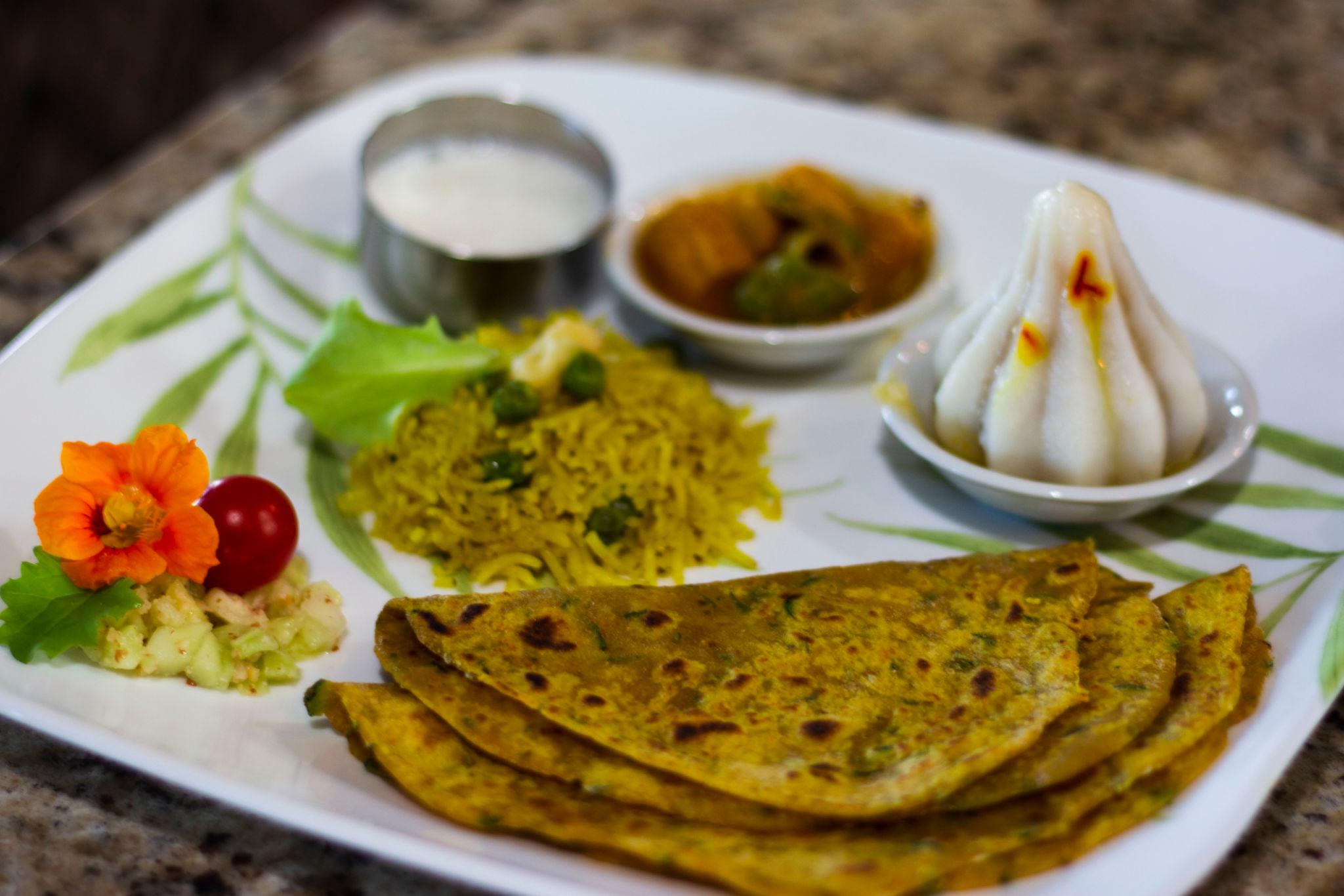
One idea that appears repeatedly in Indian Weight Loss Diet content is the importance of food pairing. Carbohydrates consumed alongside protein and fibre digest more slowly, leading to steadier blood sugar levels. A meal built around dal, sabzi, and a moderate portion of rice behaves very differently from a plate dominated by refined grains alone.
This approach feels sustainable because it does not force people to choose between cultural belonging and health. It simply reframes how meals are assembled.
Meal Timing and the Modern Indian Schedule
Urban India has seen a quiet transformation in eating patterns. Work culture encourages late dinners, constant tea breaks, and on-the-go snacking. Many people consume calories from early morning until late at night without realising how little time their body spends in a fasted state.
Indian Weight Loss Diet often explores meal timing as a gentle recalibration rather than a strict fasting protocol. The idea is not to follow extreme rules but to reduce random eating events that keep insulin elevated throughout the day. Structured meals create natural pauses where the body can reset hormonally.
Readers frequently report that simply consolidating their meals makes hunger feel more predictable. Instead of fighting cravings every few hours, they experience longer periods of calm energy.
The Overlooked Role of Strength and Muscle in Indian Fat Loss
For years, weight loss advice in India has centred around walking and cardio. While movement remains essential, there is growing recognition that muscle mass plays a crucial role in metabolic health. Strength training improves glucose uptake and supports long-term energy balance.
Indian Weight Loss Diet’s writing often encourages readers to look beyond the scale. Building strength shifts the focus from shrinking the body to supporting it. People begin to notice that their posture improves, their confidence grows, and their energy remains steadier even when weight loss slows temporarily.
This perspective resonates deeply because it replaces fear-based dieting with a sense of agency.
The Emotional Landscape of Dieting in India
Food in India carries emotional weight that goes far beyond nutrition. Family gatherings revolve around shared meals. Festivals celebrate abundance. Even daily rituals like chai breaks create moments of connection. Diets that frame these experiences as obstacles often create internal conflict.
The Indian metabolic blueprint recognises that sustainability requires emotional flexibility. Instead of rigidly avoiding certain foods, it encourages intentional choices. A sweet enjoyed mindfully within a balanced routine feels very different from an impulsive binge driven by deprivation.
Indian Weight Loss Diet readers often describe this approach as more humane. It acknowledges that health exists within life, not outside it.
Sleep, Stress, and the Invisible Drivers of Metabolic Change
As conversations around insulin resistance have grown, so has awareness of how lifestyle factors influence weight loss. Poor sleep increases hunger hormones. Chronic stress raises cortisol, which interacts with fat storage patterns. Many Indians trying to lose weight discover that improving bedtime routines has a stronger impact than cutting additional calories.
This perspective feels refreshing because it expands the definition of health. The blueprint becomes not just about food but about designing a lifestyle that supports recovery.
Why Imported Diet Trends Struggle to Survive in Indian Reality
Many popular diets assume a predictable environment. They rely on specific food availability, consistent work hours, and individualised eating patterns that may not align with shared family meals. In Indian households, food is rarely prepared for one person alone. A plan that demands separate cooking or extreme restrictions often creates social friction.
Indian Weight Loss Diet’s writing frequently returns to a simple truth: sustainability depends on compatibility with daily life. When a plan respects the rhythms of Indian cooking, it stops feeling like a foreign structure imposed from outside. Instead of fighting the environment, the blueprint adapts to it.
Readers often recognise this shift when they realise that familiar foods can remain part of their routine. The change lies in portion awareness, meal composition, and timing rather than elimination.
From Temporary Diets to Long-Term Systems
The most important insight within the Indian metabolic blueprint is that health is not achieved through short bursts of perfection. It emerges from systems that adapt to change. Work pressure, travel schedules, family commitments — these are not disruptions. They are part of life.
Indian Weight Loss Diet’s philosophy reflects this understanding. Instead of promoting rigid meal charts, the content encourages readers to learn principles they can apply anywhere:
-
build balanced plates
-
prioritise protein
-
structure meal timing
-
respect sleep and recovery
Over time, these principles become habits. Habits become identity. And identity shapes long-term outcomes far more than any single diet phase.